1. Leaf & Label
  2. Products
  3. Sauces
  4. Mustards
  5. Dijon mustard
Nutritiontypical values per 100 g
Energy765 kcal38%
Fat13.7 g20%
of which saturates1.1 g6%
Carbohydrate4.5 g2%
of which sugars2.5 g3%
Fibre—
Protein7.8 g16%
Salt5.1 g85%
% of an adult’s reference intake (8,400 kJ / 2,000 kcal) per 100 g
Fat13.7 gMODERATE
Saturates1.1 gLOW
Sugars2.5 gLOW
Salt5.1 gHIGH
5055177537564
ENutri-Score3NOVAAVeganNo palm oil

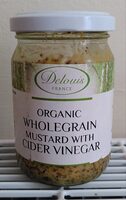
Dijon mustard

Unbranded · Mustards

Dijon mustard is an organic product, in the mustards category. Per 100 g it provides 765 kcal, 2.5 g of sugars and 5.1 g of salt. On UK front-of-pack thresholds it is high in salt, low in saturates and sugars.
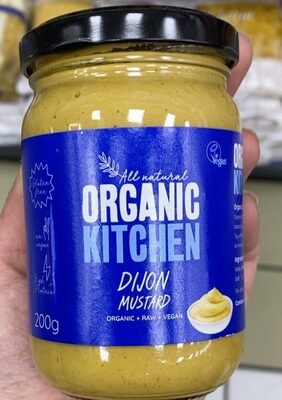
Dijon mustard — pack
Photo: Open Food Facts contributors · CC BY-SA 3.0 · Open Food Facts
765 kcalper 100 g
2.5 gsugars
7.8 gprotein
4ingredients
Barcode
5055177537564
Certifier code
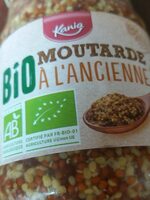
FR-BIO-01
Agriculture
EU
Nutri-Score points
30 (lower is better)
First recorded
April 2021
Ingredients4 listed

Water, Mustard Seeds, Cider vinegar. Salt

Allergens
Mustard
Grades and diet
Nutri-Score
E grade E
Environmental score
A grade A
Vegan
Yes
Vegetarian
Yes
Palm oil
None found

NOVA 3. Group 1 foods with salt, sugar or oil added — tinned vegetables, cheese, simple breads, preserved fruit.

Additives

No additives foundNo E-numbers were detected in the transcribed ingredient list of this product.
Same shelf

Other organic mustards

Best Nutri-Score first. Sugar difference per 100 g compared with Dijon mustard.
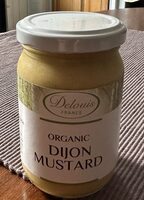
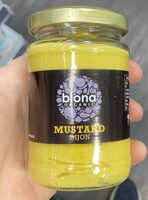
Mustard Djon
C3C5032722304925
Mustard DjonBiona Organic · 200g
Mustards151 kcal3.8 g sugars
Source: Open Food Facts contributors · product 5055177537564, last edited 30 August 2024Open Database LicenceRecipes change — check the pack